Unveiling the Health Benefits of Gua Sha: A Traditional Chinese Healing Method

Gua sha, a traditional Chinese healing method, has gained recognition for its potential health benefits. Practiced by trained professionals, gua sha involves using a smooth-edged tool to stroke the skin while applying pressure, resulting in the appearance of red rash-like dots known as petechiae. Often used in conjunction with complementary treatments like herbal medicine and massage, gua sha is renowned for its potential to address chronic pain throughout the body. In this article, we will explore the process of gua sha, its potential health benefits, and the areas of the body commonly treated.

1. The Gua Sha Process:
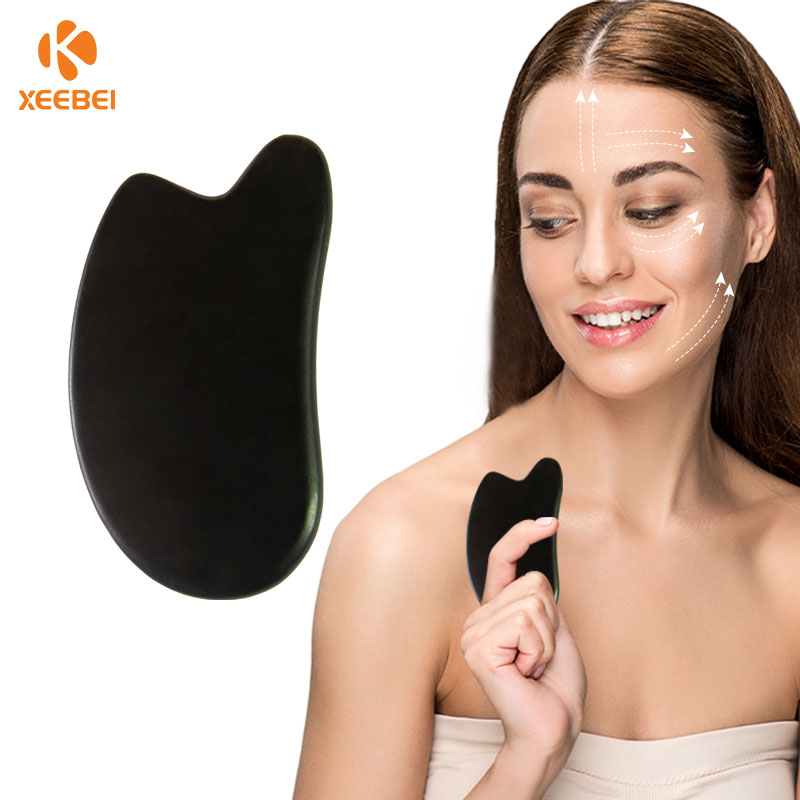
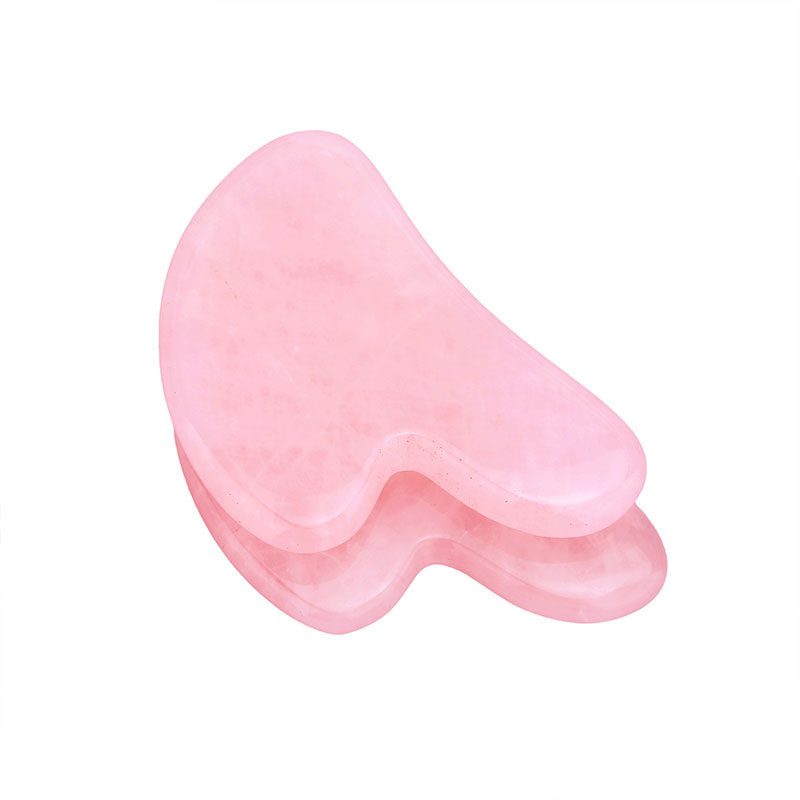
Before beginning gua sha treatment, a technician will apply oil to the targeted area. Using a stone-like gua sha massage tool, they will gently scrape the skin in long, downward strokes, gradually increasing the pressure to a level that is comfortable for the patient. This scraping motion stimulates blood flow and, according to traditional beliefs, creates a lifting effect on the skin. The appearance of petechiae, or red dots, is often seen as an indication that the therapy is working.
2. Potential Health Benefits of Gua Sha:
(a) Pain Relief: Gua sha is primarily used for addressing chronic pain throughout the body. By promoting blood circulation and releasing muscle tension, it may help alleviate discomfort associated with various conditions, including neck and back pain, muscle stiffness, and migraines.
(b) Improved Blood Flow: The scraping action involved in gua sha is believed to enhance blood circulation in the treated areas. Improved blood flow can assist in the delivery of oxygen and nutrients to the tissues, promoting healing and reducing inflammation.
(c) Detoxification: Proponents of gua sha claim that the technique helps eliminate toxins from the body. The mechanical stimulation the skin through scraping is believed to help release stagnant fluids and metabolic waste, supporting the body's natural detoxification processes.
(d) Lymphatic Drainage: Gua sha may also aid in lymphatic drainage, facilitating the removal of toxins and waste products. This can help reduce swelling, puffiness, and promote a healthier complexion.
(e) Relaxation and Stress Reduction: The gentle and rhythmic stroking motion utilized during gua sha can induce a state of relaxation, promoting stress reduction and overall well-being. Some individuals find the therapy to be calming and enjoy the self-care aspect of the treatment.

3. Commonly Treated Areas:
Gua sha is most commonly performed on areas of the body experiencing chronic pain or muscle tension. The back, neck, buttocks, and legs are frequent target regions for gua sha therapy. However, it is essential to consult with a trained professional who can determine the most suitable areas for treatment based on your specific concerns.
4. Integrating Gua Sha with Complementary Treatments:
To optimize the potential health benefits of gua sha, it is often used alongside other complementary treatments. These may include herbal medicine, massage therapy, acupuncture, heat therapy, or traditional Chinese medicine practices. Integrating multiple modalities can enhance the healing process and provide a more comprehensive approach to wellness.
5. Important Considerations:
Although gua sha has been practiced for centuries and has shown potential benefits, there are some important considerations to keep in mind:
(a) Professional Guidance: Gua sha should be performed by trained professionals who have expertise in the technique and knowledge of anatomy and physiology. They can ensure safe and effective treatment tailored to individual needs.
(b) Individual Sensitivities: Gua sha may not be suitable for everyone, particularly those with certain skin conditions, open wounds, or a history of bleeding disorders. It is advisable to consult with a healthcare provider before undergoing gua sha therapy.
(c) Temporary Side Effects: The appearance of petechiae during gua treatment is a normal reaction and should resolve within a few days. However, it's important to note that the therapy may cause temporary skin discoloration or tenderness in the treated areas.
(d) Evidence and Research: While anecdotal evidence supports the use of gua sha for certain conditions, more scientific research is needed to fully understand its mechanisms and validate its benefits.
Conclusion:
Gua sha represents a traditional Chinese healing method with potential health benefits, particularly for relieving chronic pain, improving blood circulation, promoting detoxification, and inducing relaxation. By engaging trained professionals and integrating complementary treatments, individuals may harness the therapeutic potential of this ancient technique. Although further research is needed to substantiate its claims, many people attest to the positive impact of gua sha on their well-being. As with any alternative therapy, it is essential to approach gua sha with an open mind, seek guidance from qualified practitioners, and prioritize individual safety and comfort throughout the treatment process.
Inner Facial Massage: Nurturing the Skin and Spirit From Within
Discovering the Benefits of Jade Stone Massage