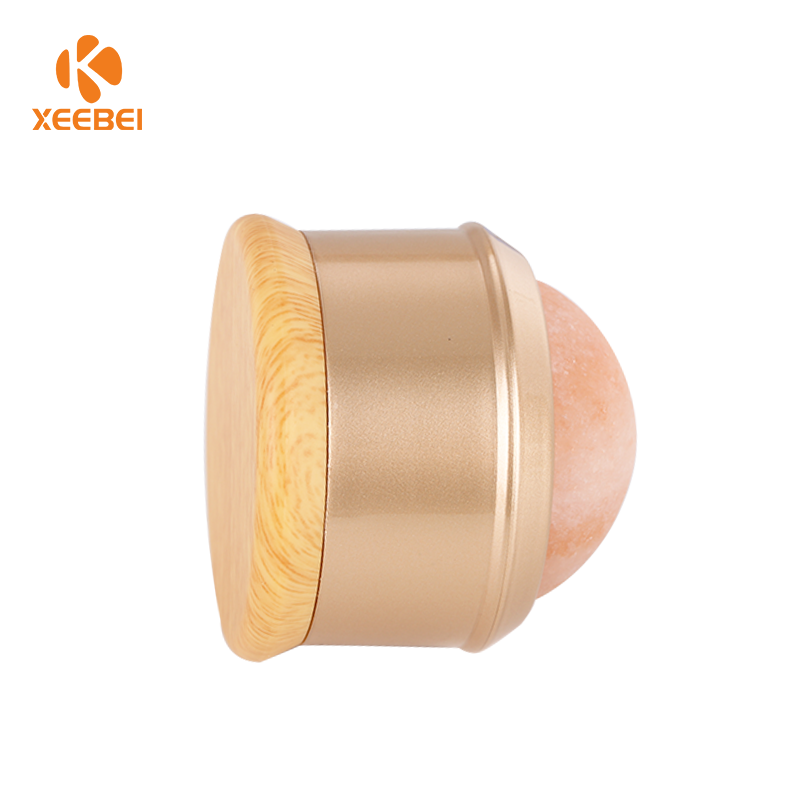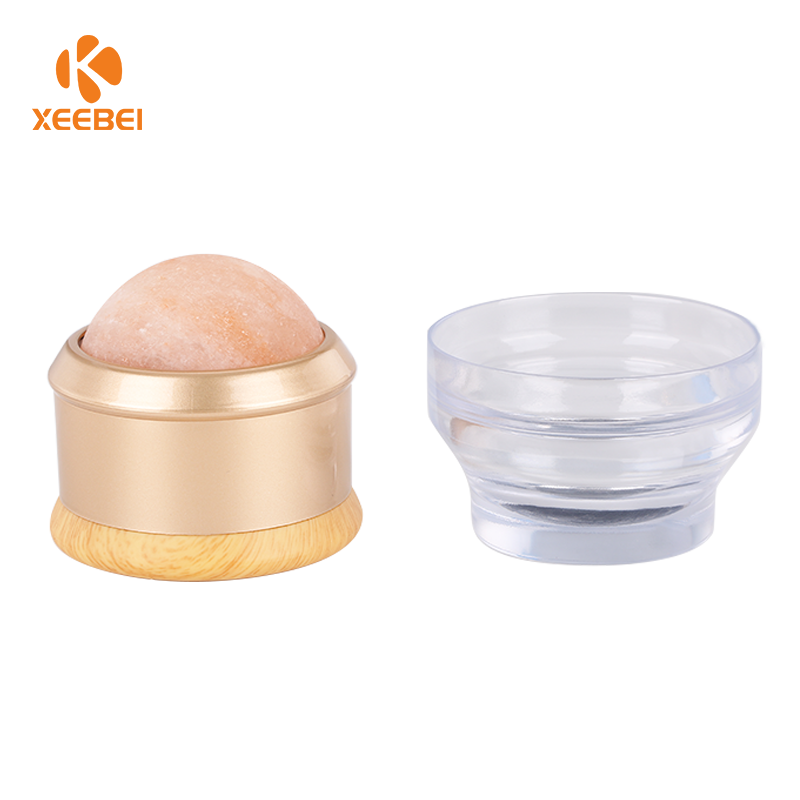
How many minerals does Himalayan salt contain?-- Himalayan massage ball
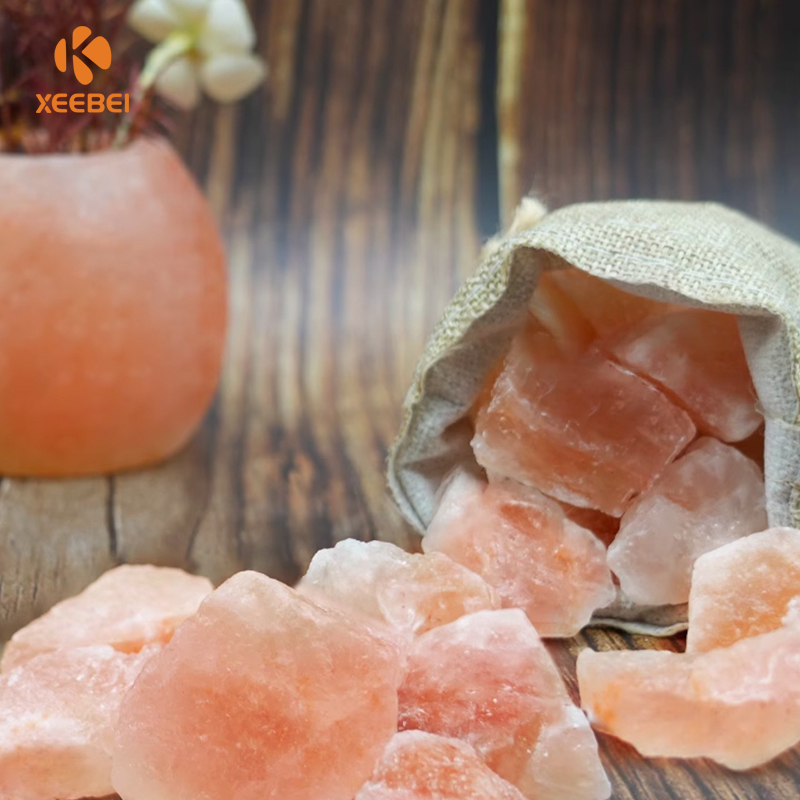
Himalayan salt, as a kind of popular salt, has attracted much attention due to its unique pink and mineral rich characteristics. But do you know how many minerals Himalayan salt contains? In this article, we will explore the composition of Himalayan salt and understand the main minerals. Let's uncover this curious question together!
The origin and formation of Himalayan salt
Himalayan salt is the salt deposit from Pakistan salt mountain. These salt deposits were formed 600 to 800 million years ago and are one of the most extensive salt deposits in the world. At that time, this area used to be a shallow Aral Sea. Over time, under the influence of high temperatures and low rainfall, seawater gradually evaporates, leaving behind layers of salt and other sediments. Subsequently, these salt deposits were covered by other rocks and buried deep underground. Through tectonic activity, salt deposits were lifted to the surface, forming the present Himalayan salt.

Excavation and processing of Himalayan salt
Mining of Himalayan salt uses a method called "room and pillar". This method involves drilling the wellhead, excavating large cavities around salt deposits, and retaining sufficient salt columns to prevent sediment collapse. Then, large blocks of salt rock are transported to the workshop for crushing and screening to obtain the required crystal particle size. Himalayan salt can be ground into fine powder, medium particle or coarse particle to meet different cooking needs.
Mineral composition of Himalayan salt
Himalayan salt is famous for its rich minerals. It contains a variety of trace minerals, electrolytes, and elements, some of which are very important for human health.
Himalayan salt mainly contains the following minerals:
Calcium: Calcium is a key mineral for maintaining bone and tooth health, and also plays an important role in heart, nerve, and muscle function.
Magnesium: Magnesium is an essential mineral that participates in various biochemical reactions in the body, helping to regulate blood pressure, maintain normal heart rhythm, and promote energy production.
Potassium: Potassium is an important mineral essential for maintaining normal heart function and fluid balance.
Selenium: Selenium is a powerful antioxidant that helps protect the body from free radical damage.
Iron: Iron is an essential mineral for hemoglobin synthesis, helping to transport oxygen to various parts of the body.
Zinc: Zinc is a component of various enzymes and plays an important role in the normal operation of the immune system and wound healing.
Iodine: Iodine is a component of Thyroid hormones and plays a vital role in maintaining thyroid health and normal metabolism.

Other characteristics and uses of Himalayan salt
In addition to the rich mineral composition, Himalayan salt also has some other special characteristics. It is considered a relatively pure salt without any chemical additives or anti fouling agents. In addition, its natural structure makes its crystal particles larger than ordinary salt, so its taste and taste are also slightly different.
Himalayan salt is widely used in the fields of cooking, seasoning and beauty. It can enhance the taste of food and be used as a seasoning and choice for pickled ingredients. In addition, Himalayan salt is also used to make salt therapy and various body care products, such as salt mill therapy, salt bath and salt stone lamp.
Conclusion:
Himalayan salt is a natural salt rich in minerals, with a variety of trace minerals, electrolytes and elements. Its components include calcium, magnesium, potassium, selenium, iron, zinc, and iodine, which are crucial for human health. Himalayan salt can be used not only for cooking and seasoning, but also for various purposes of beauty and body care. By choosing Himalayan salt, we can add more mineral benefits to our diet and life.
Foot Massage Roller - The Importance of Foot Massage
Xeebei Jade Massage Product: Release the Treasure of Body and Mind